

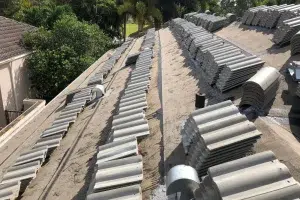
 You might not realize how much it matters to replace roofing tiles correctly. Tile roofs can last 50-100+ years, but the underlayment beneath them needs replacement every 20-25 years. South Florida homeowners face a unique challenge. They must balance the longevity of their tiles with the maintenance needs of the underlying system. In this piece, we’ll walk you through everything in tile roof replacement. You’ll learn when your roof needs attention and how to prepare for the project. We’ll explain the step-by-step replacement process and show you how to maintain your investment. Whether you’re changing roof tiles after storm damage, replacing clay roof tiles on an aging home, or learning how to replace a single roof tile, we’ll cover the information you need to make informed decisions about your roofing project.
Understanding When Your Tile Roof Needs Replacement
Cracked or broken tiles on your roof
Severe weather, falling branches, or natural aging cause tiles to fracture. Cracked tiles expose the underlayment to moisture, UV rays, and temperature fluctuations. Your roof’s waterproofing gets compromised even by small cracks. We recommend you inspect your roof from ground level using binoculars or hire a professional for close examination.
Water leaks and interior damage signs
Water stains on your ceiling or walls signal that moisture has penetrated your roof system. These discolored patches appear as yellow or brown rings and suggest water has been infiltrating for some time. The situation requires immediate attention if you notice active dripping during or after storms. Mold and mildew growth in your attic indicates persistent moisture problems. Water intrusion causes mold growth in as little as 24-48 hours, structural damage, and ruined insulation if left unaddressed.
The 20-year underlayment rule
Clay tiles last 50 to 100 years and concrete tiles average 40 to 50 years, but the underlayment beneath lasts much shorter. Underlayment serves as your roof’s primary barrier and protects your home from water intrusion. Different types have varying lifespans: 30-lb felt lasts 12-18 years, 40-lb felt lasts 15-22 years, synthetic underlayment lasts 18-30 years, and newer high-performance underlayments last up to 30+ years. Most underlayment in South Florida reaches the end of its service life after 17-20 years.
Sagging or structural concerns
A sagging roofline indicates serious structural problems that require immediate attention. Water damage weakening support beams, excessive debris weight, or compromised roof decking results in sagging. This condition can cause collapse and poses safety risks. Contact a roofing professional for assessment.
Storm damage and missing tiles
High winds, improper installation, or aging adhesive cause tiles to move or fall off. Missing tiles create vulnerable spots where water can enter your home. Walk your property after severe weather to check for tiles on the ground. Schedule repairs before the next rainfall if you spot gaps or misaligned tiles on your roof.
Preparing for Your Tile Roof Replacement Project
Choosing between clay, concrete, and composite tiles
The material you pick affects both your upfront investment and long-term costs. Concrete tiles cost $9 to $18 per square foot installed, while clay runs $12 to $25 per square foot. A 2,000 square foot home will see concrete range from $18,000 to $36,000 and clay from $24,000 to $50,000.
Clay offers superior longevity at 75 to 100+ years compared to concrete’s 50 to 75 years. The costs become remarkably close when calculated annually. Clay’s permanent color resists fading. Concrete tiles use surface pigments that can streak or wear off over time. Both materials perform well in coastal conditions and handle salt air, humidity and hurricane-force winds equally.
Getting accurate measurements and estimates
Aerial measurement tools now calculate roof size and pitch using high-resolution imagery from your property address. These online calculators provide ballpark pricing for different materials. Actual costs vary based on factors aerial views cannot detect, such as existing layers, wood damage or special flashing requirements.
Understanding South Florida building codes and permits
Permits for roof replacement are required in most cities and cost $100 to $500. Permits ensure your project meets safety standards and uses proper installation techniques suited to environmental conditions. You risk fines, potential removal of completed work, insurance coverage denials and complications when selling your home without proper permits.
Structural assessment and weight considerations
Tile roofs add substantial weight compared to asphalt shingles. Clay tiles weigh 800 to 1,000 pounds per square, while concrete weighs 900 to 1,200 pounds per square. Asphalt shingles weigh only 200 to 300 pounds per square. Most South Florida homes built for shingles need evaluation before tile installation.
Structural assessments cost $300 to $800 and get into trusses, rafters and connection integrity. Costs range from $1,000 to $10,000 if reinforcement is needed. Homes built after 2002 meet Florida Building Code requirements for tile loads.
The Step-by-Step Tile Roof Replacement Process
Removing old tiles safely
Tile removal begins with lifting adjacent tiles above and beside the target tile. We slide a flat bar underneath to create a small gap and use wooden wedges to hold surrounding tiles in place. Fasteners vary by installation method. Clip-fastened tiles unhook by hand or with pliers. Nailed tiles require pulling nails. Wire-secured tiles need cutting or untwisting, sometimes requiring access to the roof’s underside. We gently slide the damaged tile downward after removing fasteners to avoid disturbing overlapping tiles.
Inspecting and repairing the roof deck
Contractors check the roof deck surface for delamination, large cracks and corrosion. The deck must be clean, dry and level before proceeding. We check for rot, weak spots or damage that could compromise the new roof. Any problems get fixed now, not after tiles are installed. Water damage, compromised decking or structural issues require immediate repair.
Installing new underlayment and flashing
Underlayment installation starts at the eaves and works upward. Each row overlaps the previous one by at least 6 inches. This layer creates your roof’s first line of defense against leaks. Flashing comes next and creates watertight seals around chimneys, vents and skylights. Contractors cut and shape metal flashing to fit each opening and seal edges with roofing cement. Most tile roof leaks come from poor flashing.
Laying new tiles with proper fastening
Installation begins at the bottom edge with starter tiles and works upward. Each tile overlaps the one below and creates a water-shedding pattern. Tiles attach with nails, clips or adhesive depending on tile type and local codes. Nails must penetrate roof battens by at least 15 mm. Tile clips provide mechanical security against wind uplift.
Final inspection and quality checks
Contractors verify all tiles sit properly and fasteners are secure. We check that flashing is sealed and ridges are weathertight. The crew removes debris and equipment to ensure your property looks immaculate.
Maintaining Your New Tile Roof for Longevity
Annual inspections and what to look for
Professional inspections should happen at least once yearly or after severe storms. Most manufacturers require these inspections by certified contractors to maintain your warranty. Professionals can access your roof and detect damage invisible from ground level in a safe manner. Examine your roof from the ground and note cracked tiles or white streaks before the roofing company arrives. Inspectors check flashing and valleys to ensure water flows as it should, and they can lift tiles to inspect underlayment for hidden damage.
Cleaning debris and preventing buildup
Leaves, pine needles and organic debris hold moisture that causes leaks or moss growth. Clean your roof at least twice yearly or whenever noticeable buildup occurs. Use gentle tools like soft brooms or leaf blowers to prevent scratches. Avoid pressure washing, as high pressure loosens tiles and strips protective coatings. Focus cleaning efforts on valleys and gutters where debris obstructs drainage. Clay tiles can develop algae, mold and dirt over time, especially in shady areas where moisture collects.
Replacing single damaged tiles promptly
Damaged tiles create direct openings for water to reach your roof deck. Inspect after every storm, as wind or hail can crack tiles even when they look fine from ground level. Break damaged tiles into smaller pieces with a hammer to minimize disturbance to surrounding tiles. Clean and patch any holes in the underlayment once you remove the tile and fasteners. Apply code-approved roof tile adhesive to the replacement tile and slide it into place.
Protecting your roof from storm damage
Trim overhanging tree branches that could become projectiles during storms. Clean gutters at least twice yearly, as clogged gutters cause water backup that seeps beneath tiles and damages underlayment. Schedule inspections before and after storm season to catch minor issues before they become extensive damage.
Tile roofs represent a major investment for South Florida homeowners. In fact, understanding when to replace tiles, choosing the right materials, and maintaining your roof properly will protect your home for decades to come. We’ve covered everything you need to know, from recognizing damage signs to the replacement process itself. Take action when you spot issues rather than waiting for costly water damage. Note that while your tiles might last a century, the underlayment beneath needs attention every 20 years. Schedule regular inspections and address problems promptly. This maximizes your roof’s lifespan.
We Provide Residential Roofing Services in South Florida
Your home’s roof is one of the most important components protecting your family, property, and investment. When it comes to Residential Roofing Services in South Florida, homeowners need a roofing partner that understands the region’s unique weather conditions, strict building requirements, and the challenges created by year-round sun exposure, heavy rain, and hurricane threats. As a trusted South Florida roofing contractor, we provide comprehensive roofing solutions designed to keep your home safe, energy-efficient, and structurally sound.
> Learn More
FAQs
Q1. How long does a tile roof typically last in South Florida? Clay tile roofs can last 75 to 100+ years, while concrete tile roofs typically last 50 to 75 years. However, the underlayment beneath the tiles usually needs replacement every 17-25 years, depending on the type used. This means you may need to address the underlayment long before the tiles themselves wear out.
Q2. Will insurance companies require me to replace my tile roof based on age alone? Insurance companies typically focus on the condition of your roof rather than just age. For tile roofs, most carriers start questioning condition after 25 years. You can often maintain coverage by having a professional inspection that demonstrates your roof has at least 5 years of remaining useful life, even if it’s older than 15 years.
Q3. Can I replace just a few damaged tiles, or do I need to replace the entire roof? You can replace individual damaged tiles without replacing the entire roof. The process involves carefully lifting surrounding tiles, removing fasteners, and sliding in a replacement tile with proper adhesive. Promptly replacing single damaged tiles prevents water from reaching your roof deck and causing more extensive damage.
Q4. What’s the difference in cost between clay and concrete tile roofs? Concrete tiles cost $9 to $18 per square foot installed, while clay tiles run $12 to $25 per square foot. For a 2,000 square foot home, concrete ranges from $18,000 to $36,000, and clay from $24,000 to $50,000. While clay costs more upfront, it lasts longer and resists fading better than concrete.
Q5. Do I need to reinforce my home’s structure before installing a tile roof? It depends on when your home was built and what roofing material it currently has. Tile roofs weigh significantly more than asphalt shingles—clay tiles weigh 800-1,000 pounds per square versus 200-300 pounds for shingles. Homes built after 2002 typically meet Florida Building Code requirements for tile loads, but older homes may need structural assessment and possible reinforcement costing $1,000 to $10,000.
Contact Us (954-426-8050) For a Free Roof Evaluation
—
 About Monarch Roofing & Construction
Monarch Roofing and Construction proudly serves residential and commercial clients in South Florida with roofing, renovation, and new construction projects. Since 2005, our roofing services have been used all around Florida to meet the needs of homeowners and property managers, extending from Palm Coast to Miami. With our commitment to personalized service and high-quality craftsmanship, Monarch Roofing has established itself as a trusted industry leader dedicated to customer satisfaction. Our extensive service offerings include installation and repair of all types of roofs. As Florida State Certified Roofing and General Contractors, Monarch brings expertise to both residential and commercial projects, emphasizing professionalism, transparency, and cutting-edge technology in their approach. We specialize in hurricane preparedness and participate in the My Safe Florida Home Program, helping homeowners protect their properties from severe weather with expert inspections and recommendations.
> Learn More