

Commercial Roofing Services in South Florida
Commercial Roofing Services in South Florida
Reliable Commercial Roofing Solutions Built for South Florida Businesses
Your commercial roof is one of the most important components of your building. It protects your employees, customers, equipment, inventory, and investment from South Florida’s intense sun, heavy rainfall, humidity, tropical weather, and hurricane-force winds.
Our commercial roofing services in South Florida provide property owners, facility managers, business owners, and commercial developers with dependable roofing solutions designed around the unique demands of the local climate.
From routine maintenance and leak repairs to complete roof replacements and new installations, we provide comprehensive commercial roofing solutions designed to protect your property, minimize disruption, and maximize the long-term performance of your roof.
Whether you operate an office building, retail center, warehouse, industrial facility, medical building, restaurant, apartment complex, condominium, or other commercial property, we can help you determine the right roofing solution for your building.
Complete Commercial Roofing Services
Commercial roofing involves much more than installing a new roof. A properly maintained roofing system requires regular inspections, repairs, drainage management, waterproofing, preventative maintenance, and, when necessary, replacement.
Our commercial roofing services include:
Commercial Roof Installation
We install commercial roofing systems for new construction, building expansions, renovations, and replacement projects. Every roofing system is selected based on the building’s design, roof slope, drainage, usage, budget, and long-term performance requirements.
Commercial Roof Replacement
When a roof has reached the end of its useful life or has extensive deterioration, replacement may be the most cost-effective long-term solution. We evaluate the existing system and help determine whether replacement, restoration, or another option makes the most sense.
Commercial Roof Repair
Roof leaks and damage should never be ignored. Small problems can quickly become major issues when water reaches insulation, decking, walls, ceilings, electrical systems, or interior finishes.
Our commercial roof repair services can address leaks, damaged membranes, flashing problems, punctures, deterioration, drainage issues, and other roofing concerns.
Commercial Roof Maintenance
Preventative maintenance can help identify problems before they become expensive emergencies. Regular inspections and maintenance can extend roof life, improve performance, and help property owners plan for future capital expenditures.
Commercial Roof Inspections
A professional roof inspection provides a clearer picture of your roof’s current condition. We evaluate the roofing membrane, seams, flashing, penetrations, drainage, roof edges, equipment areas, and other critical components.
Commercial Roof Coatings
Roof coatings can be an option for certain aging or weathered commercial roofs. Depending on the existing system and its condition, a professionally installed coating may help restore weather resistance and extend the service life of the roof.
Storm Damage Roofing
South Florida businesses can experience significant roofing problems following tropical storms, hurricanes, high winds, and severe rainfall. We can inspect your roof after a storm, identify damage, and recommend appropriate repairs or restoration.
Commercial Waterproofing
Water intrusion can affect much more than the roof itself. Commercial waterproofing solutions can help protect vulnerable areas around roof penetrations, walls, transitions, flashing, and other portions of the building envelope.
Commercial Roofing Systems
Different commercial buildings require different roofing systems. There is no single roofing material that is ideal for every property.
We work with many of the roofing systems commonly used on commercial properties throughout South Florida, including:
TPO Roofing
Thermoplastic Polyolefin (TPO) is a popular single-ply membrane system for commercial flat and low-slope roofs.
TPO systems are known for reflective surfaces, heat-welded seams, and resistance to weather and UV exposure. They can be an excellent option for businesses looking for a durable, energy-conscious roofing system.
PVC Roofing
PVC roofing membranes provide a durable single-ply roofing option for commercial buildings. PVC can be particularly useful for properties where resistance to moisture, chemicals, grease, or other environmental factors is important.
Modified Bitumen Roofing
Modified bitumen roofing is a multi-layer asphalt-based system commonly used on commercial and low-slope roofs.
Its multi-ply construction can provide strong waterproofing and durability, making it a proven option for many commercial applications.
Built-Up Roofing
Built-up roofing, commonly called BUR, uses multiple layers of roofing materials to create a durable waterproofing assembly.
BUR systems have been used on commercial buildings for decades and can be appropriate for certain low-slope applications.
Metal Roofing
Commercial metal roofing provides durability and can be an excellent solution for warehouses, industrial buildings, retail facilities, and other commercial structures.
Metal roofing systems can also provide long service life when properly designed, installed, and maintained.
Roof Coatings
Reflective and waterproof roof coatings may be appropriate for certain existing commercial roofing systems.
A coating is not automatically the right answer for every roof. The existing membrane, substrate condition, moisture levels, drainage, and overall roof condition should be evaluated before determining whether a coating system is appropriate.
Commercial Roofing FAQs
How often should a commercial roof be inspected?
Commercial roofs should be inspected regularly, with additional inspections after significant storms or severe weather. The appropriate schedule depends on the roofing system, age, property conditions, and maintenance history.
How do I know if my commercial roof needs repair or replacement?
An inspection can determine the condition of the existing roof. Isolated damage may be repairable, while widespread deterioration, repeated leaks, or an aging system may indicate that replacement or restoration is more appropriate.
What is the best commercial roofing system for South Florida?
There is no universal best system. TPO, PVC, modified bitumen, BUR, metal, and other systems each have different characteristics. The appropriate system depends on your building, existing roof, drainage, budget, expected service life, and project requirements.
Is TPO a good choice for commercial buildings in Florida?
TPO is widely used for commercial flat and low-slope roofing. Its reflective surface and heat-welded seams can make it an attractive option for many South Florida properties.
Can a commercial roof be repaired instead of replaced?
Yes. If damage is limited and the underlying roofing system remains viable, repairs may be appropriate. A professional inspection is the best way to determine whether repair is a practical solution.
Can roof coatings extend the life of a commercial roof?
In some situations, yes. Roof coatings can restore or improve weather resistance on certain existing roofing systems, but the existing roof must be evaluated first to determine whether a coating is appropriate.
How long does a commercial roof replacement take?
Project timelines vary considerably based on roof size, system, building access, existing roof conditions, weather, permitting, material availability, and project complexity.
Can roofing work be completed while my business remains open?
Often, yes. Commercial roofing contractors can plan work in phases and coordinate schedules to minimize disruption. The appropriate approach depends on the building and scope of work.
Do commercial roofs require maintenance?
Yes. Regular inspections and preventative maintenance can help identify problems early, protect the roofing system, and potentially extend its useful life.
How much does commercial roofing cost in South Florida?
Commercial roofing costs vary significantly based on roof size, existing conditions, roofing system, insulation requirements, accessibility, drainage, structural repairs, labor, permitting, and other project-specific factors.
The best way to determine your actual cost is through an on-site inspection and detailed proposal.
Monarch Roofing / Estimate FAQs
How long has your company been in business?
Monarch Roofing & Construction Inc. has been in business since April 27th, 2005!
What is your labor warranty for new roofs?
Limited 7-year leak-free contractor warranty for the sloped section of the roof and 5-years for the flat section of the roof, for roof leaks arising from workmanship defects after the date of completion on the sloped roof. This warranty only covers the cost to repair the roof in the damaged area to prevent future roof leaks. Aesthetic perfection cannot be guaranteed with any type of roof repair. This warranty does not cover damages caused by acts of God such as, but not limited to, storms, hurricanes, lightning strikes, tornadoes, hail, etc. This warranty does not cover damages caused by solar roof installations, air conditioning fixtures, pool heating systems, or any other system installed on, or underneath, your roof system, including lighting systems, entertainment systems or holiday decorations. Failing to properly document roof maintenance can result in voiding the warranty. Proper documentation must include an invoice containing the date, time, products used to clean or maintain the roof, with substantial and distinguishable photographs.
When would you be able to schedule my job?
Currently lead times on projects are 45 days + 5-10 days to complete the work.
How long will my project take (including pulling of permits)?
Permits may take up to 30 days, but we usually get them in 2-3 weeks. Simultaneously we are acquiring roofing material. All this is taking place within our 45 day lead time. Add 5-10 days to execute the project.
Does your estimate include permit fees?
Yes, permit fees are included in roof replacement projects unless otherwise stated in the estimate.
Does your estimate include Secondary Water Resistance?
Yes, secondary water resistance is included in all new roof estimates with the exception of flat roof systems due to building code requirements.
Is replacement of fascia included? Do you have vinyl fascia?
Fascia board is not included. Pricing depends on the size, material type, and the amount. All this is calculated at the on site inspection as a courtesy. Total cost of fascia board can only be determined when we are removing all the fascia board. We can install Vinyls boards provided by the homeowner only if we are replacing all the fascia. The price to do this work can be determined upon the on site inspection.
Is replacement of plywood/roof decking included?
5 sheets of plywood OR a $500 credit are included in complete new roof replacement projects. The credit may be used for other structural repairs such as fascia board, truss reinforcement, and roof decking.
How will you be checking the condition of the decking on my roof? Will you perform fastener pull-out resistance tests?
The removal of the existing roof system will be a sufficient test of your structural integrity. On average we are removing 5-10 thousand ring shank nails from your average single-family home. If a leak existed, even a small leak, it is possible the water deteriorated small sections of the plywood. The longer the leaks exist, the greater the damage. We have found that structures with CDX 15/32″ plywood tend to have a higher need of wood replacement in comparison to structures with CDX 19/32″ plywood. Structures with tongue and groove boards (nominal 1″) tend to also have higher requirements for structural repairs because those structures have had several roof replacements and the roof structure is nearing the end of its life. In those cases, I often recommend a complete roof resheathing.
For metal roofs, is there an additional cost to choose a color of metal?
Generally, color does not play a significant part in the cost of the roof, except with metal roofing. Metal roofs start low with non-colored, mill finish panels, and go up in price when you add standard colors.
Are there any additional fees that you have not mentioned?
Why is my insurance company threatening to drop me if I don't replace my roof?
Your insurance company isn’t trying to be difficult when they threaten to drop your coverage over an aging roof—they’re protecting themselves from what their data shows is an almost inevitable expensive claim. Insurance companies have extensive actuarial data demonstrating that older roofs are more likely to fail, and when insurers spot signs of roof deterioration like curling shingles, sagging sections, or visible wear patterns, they can predict that a claim is likely and decide not to renew the policy as a preemptive move. Most insurers typically do not cover standard asphalt shingle roofs that are more than 20 years old because the risk of failure during storms becomes too high to justify continued coverage. From their perspective, it’s better to require roof replacement now than to face a major water damage claim that could cost tens of thousands of dollars when your aging roof inevitably fails during the next severe weather event. While this might feel unfair as a homeowner, an insurance company can require you to replace your roof as a condition of your home insurance policy, and they’re essentially using this requirement to manage their financial exposure while giving you the opportunity to maintain coverage through proactive replacement.
What does a day in the life of a roofing contractor in South Florida look like?
Our Peace-of-Mind Experience starts with one thing: delivering exceptional roofing work, every time. Whether we're repairing your existing roof or installing a new one, we stay adaptable. From hot weather to unexpected rain, we adjust our approach to keep your project on track despite the challenges each day brings.
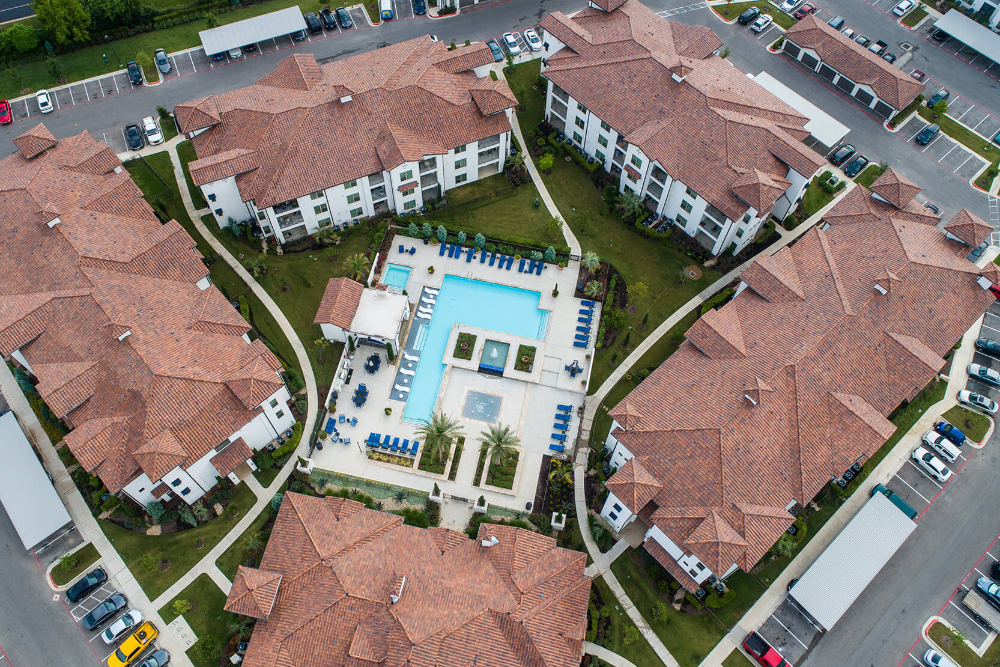
Our Latest Commercial Roofing Projects
Roof Repair FAQs
How do I know if my roof needs repairs?
Look for signs such as missing or damaged shingles, water stains on ceilings, sagging areas, granules in gutters, visible light through the roof boards, or leaks during rainfall. A professional roof inspection can provide a definitive assessment.
How often should I have my roof inspected?
We recommend having your roof professionally inspected at least once a year and after any major storm events. Regular inspections can identify small issues before they become costly problems.
What’s the difference between roof repair and roof replacement?
Roof repair addresses specific damaged areas while preserving most of the existing roof. Replacement involves removing the old roof and installing a completely new one. Repairs are typically suitable for localized damage, while replacement is necessary for older roofs with widespread issues.
Cost and Timing FAQs
How much does roof repair typically cost?
Repair costs vary widely depending on the extent of damage, materials needed, roof type, and accessibility. Minor repairs might cost $300-$1,000, while more extensive repairs can range from $1,000-$3,000 or more.
How long does a typical roof repair take?
Minor repairs can often be completed in a day, while more extensive repairs might take 2-5 days depending on weather conditions, the scope of work, and material availability.
Do you offer warranties on roof repairs?
Yes, we provide workmanship warranties on all repairs. Materials also carry manufacturer warranties. The specific length and coverage details depend on the type of repair and materials used.
Process & Service FAQs
Do you provide emergency roof repair services?
Yes, we offer emergency roof repair services for situations that require immediate attention, such as active leaks during storms. Our emergency team is available 24/7.
Will my insurance cover the cost of roof repairs?
Many homeowner’s insurance policies cover roof damage caused by unpreventable events like storms or fallen trees. We can help you navigate the insurance claim process and provide the necessary documentation.
What types of roofing materials do you work with?
We work with all common roofing materials including asphalt shingles, metal, tile, slate, wood shakes, and flat roof membranes like EPDM, TPO, and modified bitumen.
Technical FAQs
How do you handle roof leaks?
We locate the source of the leak, which may require removing shingles or other roofing materials. We then repair any damaged underlayment, replace damaged shingles or flashing, and ensure proper water drainage.
What happens if you discover additional damage during the repair?
If we discover additional damage during repairs, we’ll document it with photos, stop work in that area, and contact you to discuss options before proceeding. We never perform additional work without your approval.
How to integrate between existing and new roofing materials during partial repairs?
We begin by carefully removing damaged sections, extending removal beyond the visibly damaged area to reach structurally sound decking. For shingle roofs, we use the “weaving” technique where new shingles are interlaced with existing ones at the transition point, maintaining proper overlap and nail placement. We also check for discontinued shingle patterns and may suggest specialized color matching or weathering techniques if exact matches aren’t available. For flat roofs, we create proper seam overlaps and use compatible adhesives or heat-welding techniques specific to the membrane type to ensure a watertight seal between new and existing materials.
Preparation FAQs
How should I prepare my home for roof repairs?
Remove or secure items from walls and shelves, as hammering can cause vibrations. Clear your driveway and yard of vehicles and valuable items. Cover attic items with tarps if applicable. Keep children and pets away from the work area.