

Professional Roof Inspections
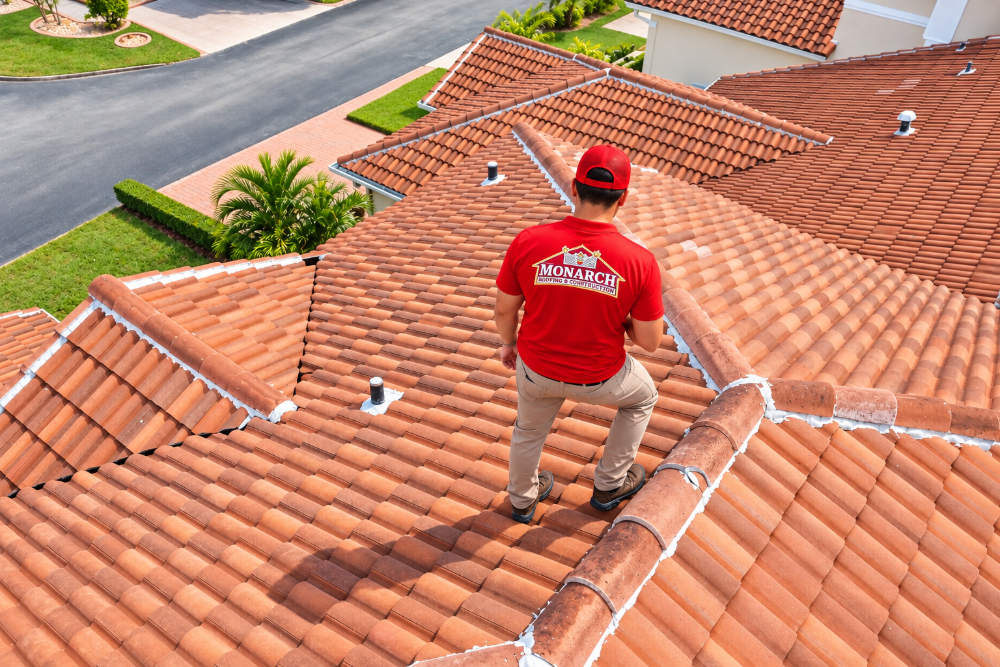
Roof Inspection Services for South Florida
Types of Roof Inspections
- Routine Preventive Roof Inspection — Checks the overall condition of the roof and catches developing problems early.
- Roof Leak Inspection — Locates likely sources of active or suspected water intrusion.
- Post-Storm Roof Inspection — Evaluates potential damage following severe thunderstorms, tropical storms, or hurricanes.
- Wind Damage Inspection — Looks for lifted, loosened, cracked, displaced, or missing roofing materials and related damage.
- Hail Damage Inspection — Checks roofing components for signs consistent with hail impact.
- Pre-Hurricane Season Inspection — Identifies maintenance or repair needs before South Florida’s peak storm season.
- Post-Hurricane Inspection — Evaluates the roof after a hurricane, even when damage isn’t obvious from the ground.
- Roof Inspection Before Buying a Home — Gives buyers more detailed information about roof condition beyond a general visual overview.
- Pre-Sale Roof Inspection — Helps sellers discover roofing issues before listing or negotiating with buyers.
- Roof Age & Remaining-Life Evaluation — Assesses overall condition and helps determine whether repair, maintenance, or replacement should be considered.
- Tile Roof Inspection — Checks for cracked, slipped, loose, or missing tiles and problems with associated roof components.
- Shingle Roof Inspection — Checks shingles for deterioration, wind damage, missing materials, and other vulnerabilities.
- Metal Roof Inspection — Evaluates panels, fasteners, seams, flashing, corrosion, coatings, and penetrations.
- Flat/Low-Slope Roof Inspection — Looks for ponding, membrane deterioration, drainage issues, penetrations, seams, and potential leak areas.
- Commercial Roof Inspection — Evaluates roofing systems on offices, retail properties, warehouses, multifamily buildings, and other commercial properties.
- Roof Inspection for Property Managers/HOAs — Helps identify maintenance and repair needs across managed properties.
- Roof Inspection Before Solar Installation — Determines whether roof repairs or replacement should be addressed before installing solar panels.
- Roof Inspection After Solar Removal — Checks penetrations and roofing components after panels or mounting systems are removed.
- Roof Inspection Before Major Renovations — Determines whether existing roof issues should be corrected as part of a remodeling project.
- Coastal/Salt-Air Roof Inspection — Particularly important for South Florida coastal properties where salt exposure can contribute to corrosion and deterioration of certain components.
Roof Inspection FAQs
Roof Inspection FAQs
How often should I have my roof inspected in South Florida?
Most South Florida homeowners should consider having their roof professionally inspected at least once a year and after major storms or hurricanes. Regular inspections can help identify developing problems before they cause leaks or significant damage.
What does a professional roof inspection include?
A roof inspection typically evaluates roofing materials, flashing, vents, valleys, roof penetrations, drainage areas, visible signs of leaks, deterioration, and other components that could affect the roof’s performance.
Should I have my roof inspected after a hurricane or severe storm?
Yes. High winds, wind-driven rain, and flying debris can damage a roof even when there are no obvious problems from the ground. A professional inspection can help uncover damage that might otherwise go unnoticed.
What are common roof problems found during South Florida inspections?
Common issues include cracked or broken tiles, missing or damaged shingles, deteriorated flashing, loose roofing materials, water intrusion, damaged sealants, clogged drainage areas, and deterioration caused by prolonged exposure to sun and moisture.
Can a roof inspection find a leak before I see water inside my home?
In some cases, yes. Inspectors may identify damaged roofing materials, deteriorated flashing, failed sealants, or other vulnerable areas before water damage becomes visible inside the home.
How does South Florida's climate affect my roof?
Intense UV exposure, high temperatures, humidity, heavy rainfall, tropical storms, and hurricane-force winds can accelerate roof wear. Coastal properties may also experience additional exposure to salt air.
How do I know if my roof needs an inspection?
Warning signs include missing or broken roofing materials, ceiling stains, visible leaks, damaged flashing, debris on the roof, unusual wear, or recent exposure to severe weather. An aging roof should also be inspected regularly even when there are no obvious problems.
Should I get a roof inspection before buying a South Florida home?
Yes. A professional roof inspection can provide valuable information about the roof’s current condition and identify potential repairs or replacement needs before you purchase the property.
Does a roof inspection mean I need a new roof?
No. The purpose of an inspection is to evaluate the roof’s condition. Depending on what is found, the roof may simply need maintenance or repairs rather than complete replacement.
Can regular roof inspections help extend the life of my roof?
Yes. Finding and addressing minor problems early can help prevent additional deterioration and more extensive damage, potentially helping your roofing system perform effectively for longer.
Monarch Roofing / Estimate FAQs
How long has your company been in business?
Monarch Roofing & Construction Inc. has been in business since April 27th, 2005!
What is your labor warranty for new roofs?
Limited 7-year leak-free contractor warranty for the sloped section of the roof and 5-years for the flat section of the roof, for roof leaks arising from workmanship defects after the date of completion on the sloped roof. This warranty only covers the cost to repair the roof in the damaged area to prevent future roof leaks. Aesthetic perfection cannot be guaranteed with any type of roof repair. This warranty does not cover damages caused by acts of God such as, but not limited to, storms, hurricanes, lightning strikes, tornadoes, hail, etc. This warranty does not cover damages caused by solar roof installations, air conditioning fixtures, pool heating systems, or any other system installed on, or underneath, your roof system, including lighting systems, entertainment systems or holiday decorations. Failing to properly document roof maintenance can result in voiding the warranty. Proper documentation must include an invoice containing the date, time, products used to clean or maintain the roof, with substantial and distinguishable photographs.
When would you be able to schedule my job?
Currently lead times on projects are 45 days + 5-10 days to complete the work.
How long will my project take (including pulling of permits)?
Permits may take up to 30 days, but we usually get them in 2-3 weeks. Simultaneously we are acquiring roofing material. All this is taking place within our 45 day lead time. Add 5-10 days to execute the project.
Does your estimate include permit fees?
Yes, permit fees are included in roof replacement projects unless otherwise stated in the estimate.
Does your estimate include Secondary Water Resistance?
Yes, secondary water resistance is included in all new roof estimates with the exception of flat roof systems due to building code requirements.
Is replacement of fascia included? Do you have vinyl fascia?
Fascia board is not included. Pricing depends on the size, material type, and the amount. All this is calculated at the on site inspection as a courtesy. Total cost of fascia board can only be determined when we are removing all the fascia board. We can install Vinyls boards provided by the homeowner only if we are replacing all the fascia. The price to do this work can be determined upon the on site inspection.
Is replacement of plywood/roof decking included?
5 sheets of plywood OR a $500 credit are included in complete new roof replacement projects. The credit may be used for other structural repairs such as fascia board, truss reinforcement, and roof decking.
How will you be checking the condition of the decking on my roof? Will you perform fastener pull-out resistance tests?
The removal of the existing roof system will be a sufficient test of your structural integrity. On average we are removing 5-10 thousand ring shank nails from your average single-family home. If a leak existed, even a small leak, it is possible the water deteriorated small sections of the plywood. The longer the leaks exist, the greater the damage. We have found that structures with CDX 15/32″ plywood tend to have a higher need of wood replacement in comparison to structures with CDX 19/32″ plywood. Structures with tongue and groove boards (nominal 1″) tend to also have higher requirements for structural repairs because those structures have had several roof replacements and the roof structure is nearing the end of its life. In those cases, I often recommend a complete roof resheathing.
For metal roofs, is there an additional cost to choose a color of metal?
Generally, color does not play a significant part in the cost of the roof, except with metal roofing. Metal roofs start low with non-colored, mill finish panels, and go up in price when you add standard colors.
Are there any additional fees that you have not mentioned?
Why is my insurance company threatening to drop me if I don't replace my roof?
Your insurance company isn’t trying to be difficult when they threaten to drop your coverage over an aging roof—they’re protecting themselves from what their data shows is an almost inevitable expensive claim. Insurance companies have extensive actuarial data demonstrating that older roofs are more likely to fail, and when insurers spot signs of roof deterioration like curling shingles, sagging sections, or visible wear patterns, they can predict that a claim is likely and decide not to renew the policy as a preemptive move. Most insurers typically do not cover standard asphalt shingle roofs that are more than 20 years old because the risk of failure during storms becomes too high to justify continued coverage. From their perspective, it’s better to require roof replacement now than to face a major water damage claim that could cost tens of thousands of dollars when your aging roof inevitably fails during the next severe weather event. While this might feel unfair as a homeowner, an insurance company can require you to replace your roof as a condition of your home insurance policy, and they’re essentially using this requirement to manage their financial exposure while giving you the opportunity to maintain coverage through proactive replacement.
What does a day in the life of a roofing contractor in South Florida look like?
Our Peace-of-Mind Experience starts with one thing: delivering exceptional roofing work, every time. Whether we're repairing your existing roof or installing a new one, we stay adaptable. From hot weather to unexpected rain, we adjust our approach to keep your project on track despite the challenges each day brings.