
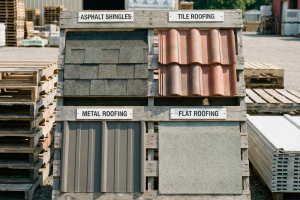
 Selecting the ideal roofing material for your home in South Florida is a crucial decision that can significantly impact your property’s durability, energy efficiency, and aesthetic appeal. Given the region’s unique climate, characterized by intense heat, humidity, and the potential for hurricanes, it’s essential to choose a roofing solution that can withstand these challenges. This article will explore various roofing types available for residential homes in South Florida, highlighting their advantages, disadvantages, and suitability for the local environment.
Understanding the Climate Challenges
South Florida’s climate poses specific challenges for roofing materials. The region experiences high temperatures, heavy rainfall, and strong winds, especially during hurricane season. These factors necessitate roofing materials that offer durability, moisture resistance, and wind resistance.
Temperature Extremes
The summer months can see temperatures soaring above 90°F, while winter temperatures can drop to the low 50s. This fluctuation can cause roofing materials to expand and contract, leading to potential damage over time.
Humidity and Rainfall
With humidity levels often exceeding 80%, roofs are susceptible to mold and mildew growth. Heavy rains can lead to water infiltration if the roofing material is not adequately sealed.
Hurricane Threats
Hurricane season runs from June to November, bringing the risk of high winds and flying debris. Roofing materials must be able to withstand these extreme conditions to protect your home effectively.
Asphalt Shingles: The Popular Choice
Asphalt shingles are one of the most commonly used roofing materials in South Florida. They are favored for their affordability and ease of installation.
Advantages of Asphalt Shingles
-
- Cost-Effective: Asphalt shingles are generally less expensive than other roofing options, making them an attractive choice for budget-conscious homeowners.
- Variety of Styles: Available in numerous colors and styles, asphalt shingles can complement various architectural designs.
- Ease of Repair: Individual shingles can be easily replaced if damaged, simplifying maintenance.
Drawbacks of Asphalt Shingles
-
- Short Lifespan: Typically lasting 15 to 30 years, asphalt shingles may require more frequent replacement compared to other materials.
- Susceptibility to Damage: They can be vulnerable to high winds and may suffer from algae growth in humid conditions.
Metal Roofing: Durability and Efficiency
Metal roofing has gained popularity in South Florida due to its impressive durability and energy efficiency.
Benefits of Metal Roofing
-
- Longevity: Metal roofs can last between 40 to 70 years with proper maintenance, making them a long-term investment.
- Energy Efficiency: They reflect sunlight, which can help reduce cooling costs during the hot summer months.
- Low Maintenance: Metal roofs are resistant to mold, mildew, and pests, requiring minimal upkeep.
Drawbacks of Metal Roofing
-
- Higher Initial Cost: The upfront cost of metal roofing is typically higher than asphalt shingles, which may deter some homeowners.
- Noise: Metal roofs can be noisy during heavy rain or hail unless proper insulation is installed.
Tile Roofing: A Classic Aesthetic
Tile roofing, made from clay or concrete, is a popular choice for homeowners seeking a classic look.
Advantages of Tile Roofing
-
- Durability: Tile roofs can last 50 years or more with minimal maintenance, making them a worthwhile investment.
- Fire Resistance: Tile is non-combustible, providing an added layer of safety for your home.
- Aesthetic Appeal: Available in various colors and styles, tile roofing can enhance the visual appeal of your home.
Disadvantages of Tile Roofing
-
- Weight: Tile roofs are heavy and may require additional structural support, increasing installation costs.
- Higher Installation Costs: The complexity of installing tile roofs can lead to higher labor costs.
Composite Roofing: The Modern Alternative
Composite roofing materials are designed to mimic the appearance of traditional materials like wood or slate while offering enhanced durability.
Benefits of Composite Roofing
-
- Longevity: Composite roofs can last 40 to 50 years, providing a long-lasting solution for homeowners.
- Aesthetic Versatility: They come in various styles and colors, allowing homeowners to achieve the desired look without sacrificing durability.
- Low Maintenance: Composite materials are resistant to mold and mildew, requiring less upkeep than traditional options.
Drawbacks of Composite Roofing
-
- Cost: Composite roofing can be more expensive than asphalt shingles, which may be a consideration for budget-conscious homeowners.
- Limited Availability: Depending on the region, finding specific composite materials may be challenging.
Wood Shakes: Natural Beauty
Wood shake roofing offers a rustic and natural appearance, making it a popular choice for certain architectural styles.
Advantages of Wood Shakes
-
- Aesthetic Appeal: Wood shakes provide a unique and attractive look that can enhance the character of a home.
- Good Insulation: Wood has natural insulating properties, helping to regulate indoor temperatures.
Drawbacks of Wood Shakes
-
- Maintenance Requirements: Wood shakes require regular maintenance to prevent rot, mold, and insect damage.
- Fire Risk: Unless treated, wood shakes can be susceptible to fire, which may be a concern in certain areas.
Slate Roofing: Timeless Elegance
Slate roofing is known for its beauty and longevity, making it a premium choice for homeowners.
Benefits of Slate Roofing
-
- Exceptional Durability: Slate roofs can last over 100 years with minimal maintenance, making them one of the longest-lasting roofing options.
- Fire Resistance: Slate is naturally fire-resistant, providing added safety for your home.
- Aesthetic Value: The natural stone appearance of slate adds significant value to a property.
Drawbacks of Slate Roofing
-
- High Cost: Slate roofing is one of the most expensive options available, which may not fit every budget.
- Weight: The heavy nature of slate requires additional structural support, increasing installation complexity.
Flat Roofing: A Modern Approach
Flat roofing systems are becoming increasingly popular for modern homes and commercial buildings.
Advantages of Flat Roofing
-
- Cost-Effective: Flat roofs are generally less expensive to install due to their simpler design and fewer materials required.
- Space Utilization: They can be used for outdoor living spaces, HVAC systems, or even rooftop gardens.
- Energy Efficiency: Flat roofs can be designed with reflective materials to reduce heat absorption.
Disadvantages of Flat Roofing
-
- Water Drainage Issues: Proper drainage systems are essential to prevent water pooling, which can lead to leaks.
- Maintenance Needs: Flat roofs may require more frequent maintenance to ensure they remain watertight.
Choosing the Right Roofing Material
When selecting the best roofing material for your South Florida home, consider the following factors:
Climate Suitability
Choose materials that can withstand the region’s heat, humidity, and potential hurricane conditions. Metal and tile roofs are often recommended for their durability and resistance to extreme weather.
Budget Considerations
Evaluate your budget and consider both the initial costs and long-term value of the roofing material. While asphalt shingles may be cheaper upfront, materials like metal or tile can offer better longevity and lower maintenance costs.
Aesthetic Preferences
Select a roofing material that complements your home’s architectural style. Whether you prefer the classic look of tile or the modern appeal of metal, ensure the material aligns with your vision.
Selecting the right roofing material for your South Florida home is a critical decision that requires careful consideration of various factors, including climate, budget, and aesthetics. Each roofing type offers unique advantages and disadvantages, making it essential to evaluate your specific needs. Whether you opt for the affordability of asphalt shingles, the durability of metal roofing, or the timeless elegance of slate, the right choice will enhance your home’s protection and value for years to come.
We Provide Roof Installation and Roof Repair Services for South Florida
You can trust our licensed team to protect your home with hurricane-resistant roof installations designed specifically for South Florida’s challenging climate. We have been serving Miami-Dade, Broward, and Palm Beach counties since 2005 and we specialize in impact-resistant shingles, metal roofing, and tile systems that withstand tropical storms while reflecting intense heat. From permitting through inspection, we handle everything with meticulous attention to detail. Experience peace of mind during storm season with a roof that combines durability, energy efficiency, and tropical elegance.
> Learn More
Contact Us (954-426-8050) For a Free Roof Evaluation
—
 About Monarch Roofing & Construction
Monarch Roofing and Construction proudly serves residential and commercial clients in South Florida with roofing, renovation, and new construction projects. Since 2005, our roofing services have been used all around Florida to meet the needs of homeowners and property managers, extending from Palm Coast to Miami. With our commitment to personalized service and high-quality craftsmanship, Monarch Roofing has established itself as a trusted industry leader dedicated to customer satisfaction. Our extensive service offerings include installation and repair of all types of roofs. As Florida State Certified Roofing and General Contractors, Monarch brings expertise to both residential and commercial projects, emphasizing professionalism, transparency, and cutting-edge technology in their approach. We specialize in hurricane preparedness and participate in the My Safe Florida Home Program, helping homeowners protect their properties from severe weather with expert inspections and recommendations.
> Learn More